

Composition / Film craft
Why We Use
the Rule
of Thirds.
By Jan-Michael Reyes
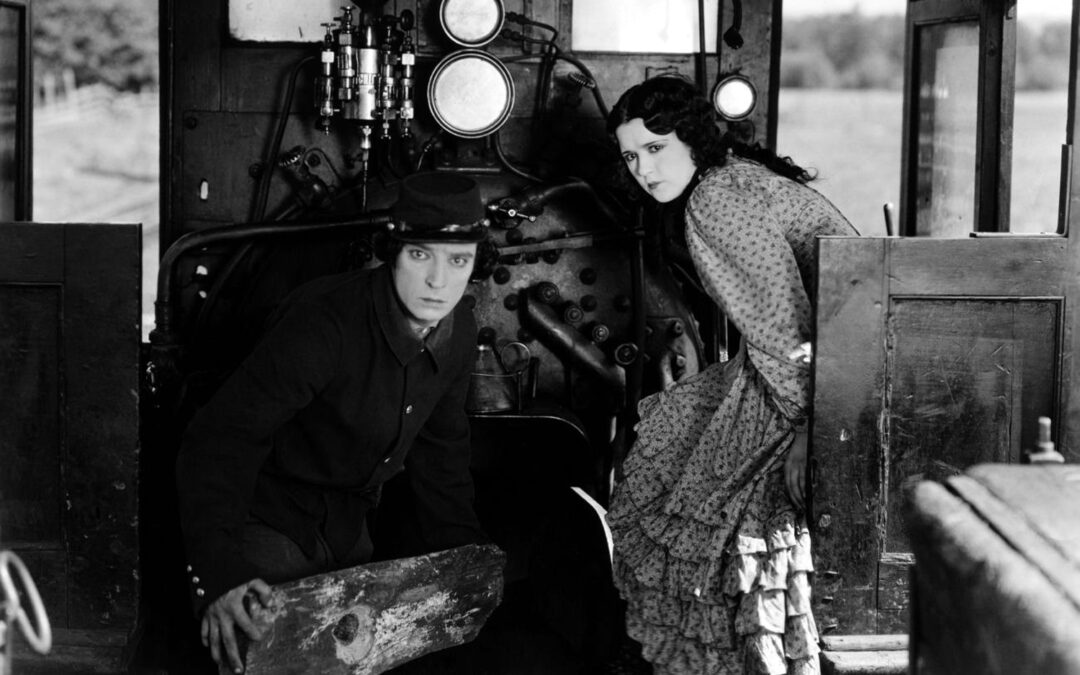
Before a subject moves or a line is spoken, composition has already started telling the story. The rule of thirds gives us a useful place to begin.
SHOW THIRDS GRID +
01 / A SIMPLE STARTING POINT
Give the frame
a structure.
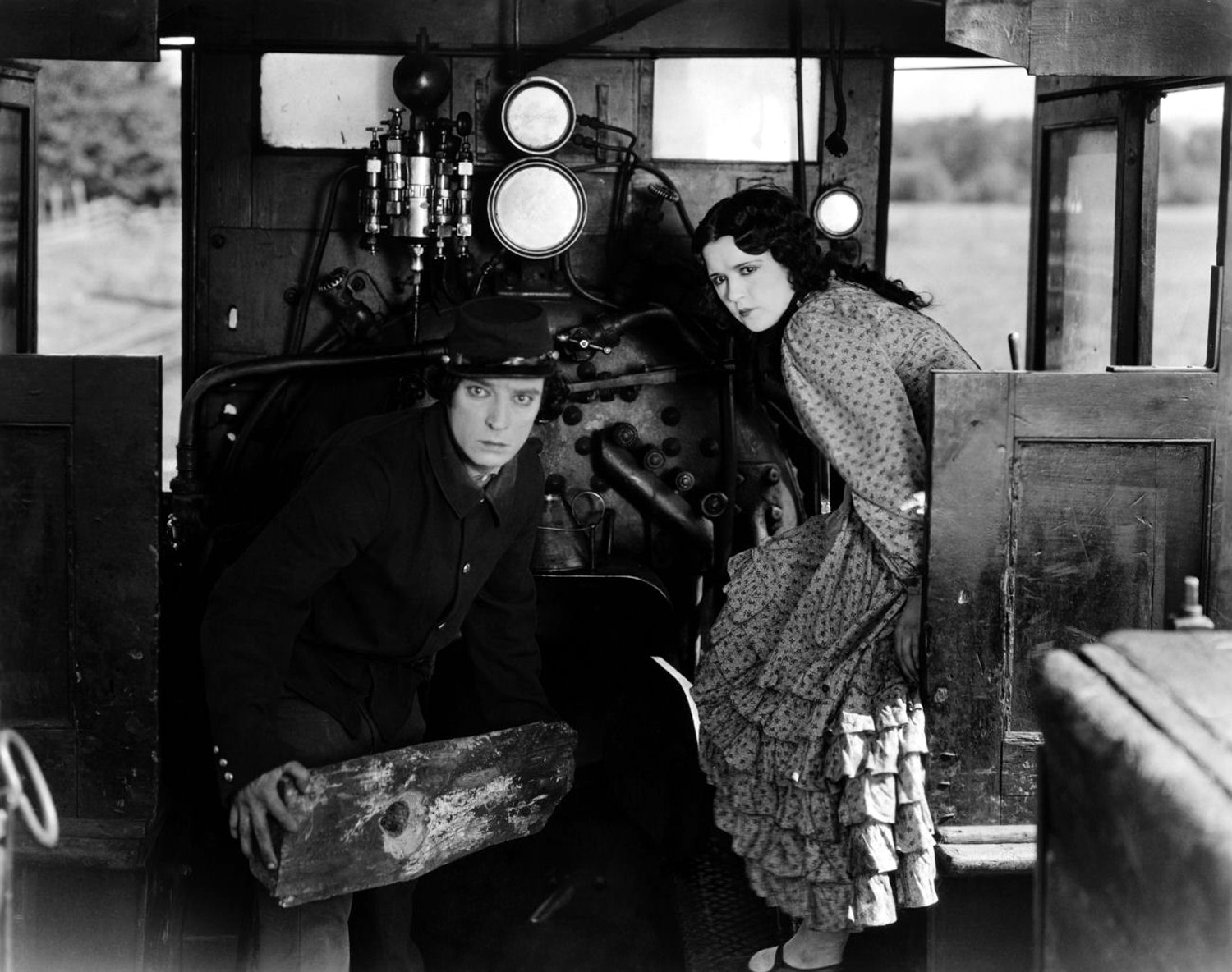
Imagine two vertical lines and two horizontal lines dividing an image into nine equal rectangles. The rule of thirds suggests placing important subjects or boundaries near those lines, or near the four places they cross.
The word “near” matters. A face does not become interesting simply because an eye lands on an intersection. What matters is the relationship between the subject, the surrounding space, and everything else asking for our attention.
Moving a subject away from the center can leave room for a look, a gesture, or an approaching person. That space becomes part of the image’s meaning. The grid helps us notice it; it does not make the decision for us.
is part of the story.
02 / LOOK AT THE RELATIONSHIP
A conversation
across the frame.
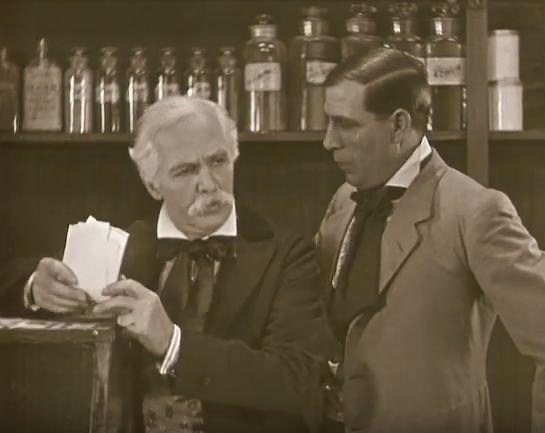
When there are two people in a shot, we are composing the space between them as well as the people themselves. Looking at the thirds can help us compare their visual weight and where the viewer’s attention travels.
A useful check: switch the grid off. Does the relationship still read? If the image only makes sense with a guide on top, the guide is doing too much work.
SHOW THIRDS GRID +
03 / A GUIDE, NOT AN ORDER
The story comes
before the grid.
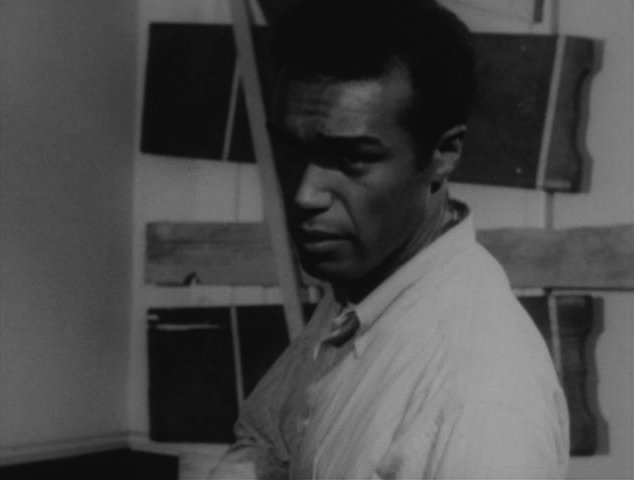
Sometimes we want symmetry. Sometimes a face belongs close to an edge. A centered figure can feel direct, still, confrontational or isolated, depending on the rest of the scene. None of those choices is automatically wrong.
This close view of Ben in Night of the Living Dead is a useful reminder to look at the face, light and background together instead of grading a frame against four fixed points. The grid is an analytical overlay here, not evidence that the filmmakers used it.
SHOW THIRDS GRID +
Start with thirds.
Finish with intent.
Try the grid, then move beyond it. Ask what the viewer should notice first, what the surrounding space contributes, and whether the composition serves the moment. That is the decision that makes the frame worth keeping.